Why “Press 1 for Sales” Might Be Costing You Storage Rentals
By
Mousa Ackall
Aug 1, 2026

Self-storage operators have spent years optimizing revenue management, occupancy, marketing spend, and site operations.
But there’s one customer experience that still feels stuck in another era:
“Press 1 for sales. Press 2 for service. Press 7 to repeat this menu…”
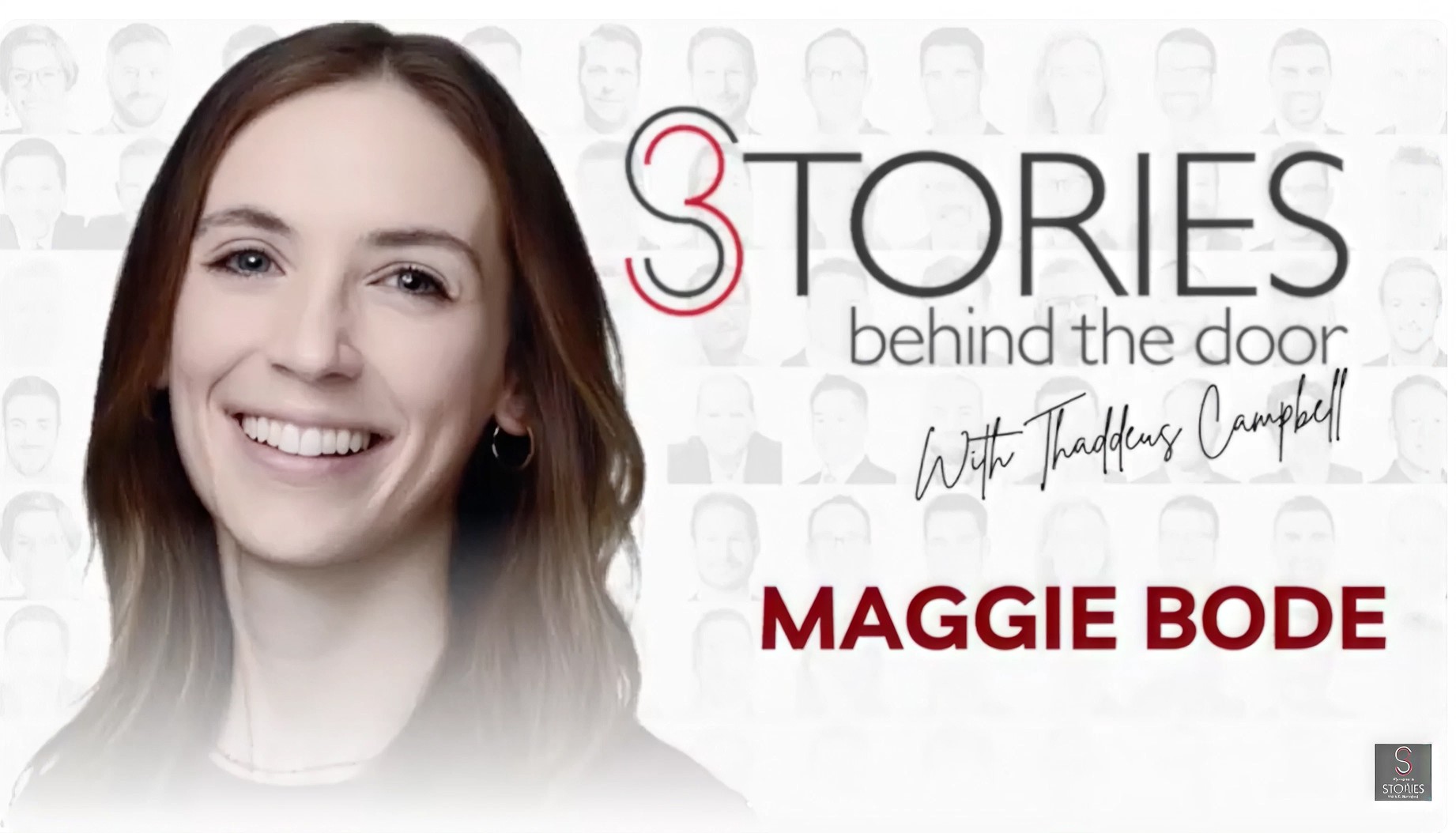
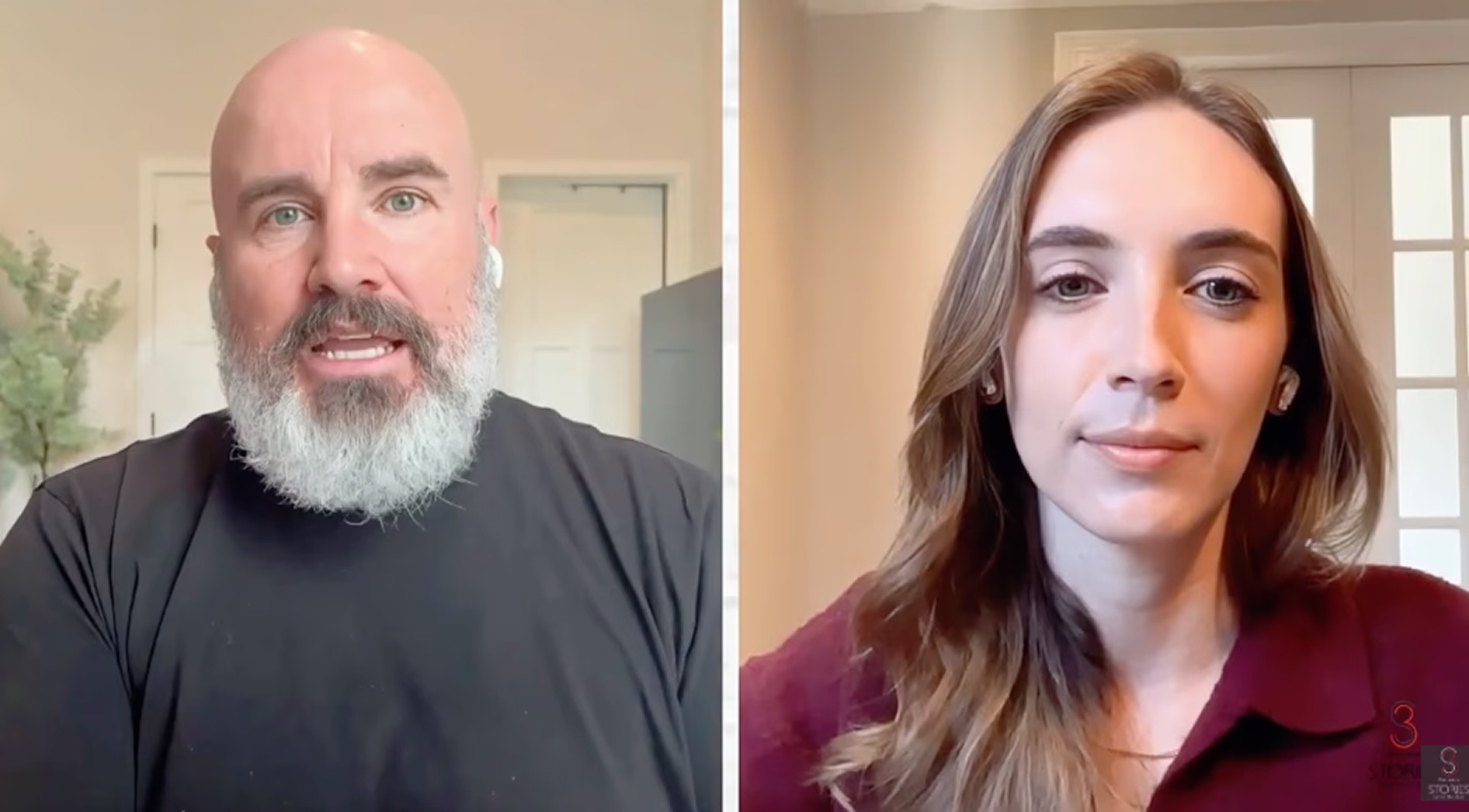
That topic came up during a recent Stories Behind the Door podcast conversation with Maggie Bode, Uniti's Head of Customer Success, and it led to a much broader discussion about where customer expectations in storage are heading.
Because increasingly, customers are not just comparing rates anymore.
They’re comparing convenience.
Speed Is Becoming the Competitive Advantage
One of the strongest points from the conversation was simple: when somebody needs storage, they usually need it immediately.
That feels especially true in self-storage because customers are often moving during stressful or time-sensitive moments: moving homes, downsizing, college transitions, job relocations, or unexpected life events. In many cases, the first facility that answers clearly and quickly wins the rental.
Operators already know this intuitively. Missed calls matter. Delayed callbacks matter. Long hold times matter.
And customer expectations are only accelerating. Today’s consumers are conditioned by Amazon, Uber, DoorDash, and instant digital experiences. That expectation doesn’t disappear just because someone is renting a 10x10 unit.
The old model of “leave a voicemail and we’ll call you back tomorrow morning” increasingly feels out of step with how people buy.
The Operational Reality Operators Are Facing
At the same time, operators are under pressure from the other direction too.
Labor remains one of the largest operating expenses in self-storage, and staffing facilities around the clock simply isn’t realistic for most operators. But customer demand doesn’t stop at 6 PM.
A renter may call after hours because they’re standing outside a facility with a moving truck, need unit availability immediately, or forgot their gate code during a late-night move.
One of the more practical insights from the discussion was reframing missed calls as missed lifetime value. Those overnight calls may represent renters who stay for months or years. If nobody answers, they simply move on to the next facility.
That’s part of why so many operators are rethinking how they handle customer communication across phone, text, web chat, and online rentals.
AI Isn’t Replacing Great Operators
One of the more balanced parts of the conversation was that the discussion around AI never really became about replacing people.
In fact, Maggie openly acknowledged that AI is not going to outperform a great salesperson or experienced facility manager. The real opportunity is letting technology handle repetitive operational tasks so human teams can focus on the interactions that actually require empathy, judgment, and relationship-building.
That distinction matters.
Most storage teams are not overwhelmed because they’re doing too much high-level sales work. They’re overwhelmed because they’re constantly interrupted by repetitive questions, payment inquiries, lock issues, access questions, and routine service requests.
The operators who figure out how to reduce that operational noise, while still maintaining a strong customer experience, are probably going to have a major advantage over the next several years.
The Customer Base Is Quietly Changing
One surprisingly insightful moment came when the host talked about his teenage daughter refusing to walk into a restaurant to order food because of the anxiety of interacting with someone at the counter.
Funny? Absolutely. But also revealing.
Younger consumers have grown up with texting, mobile ordering, self-service apps, and digital-first experiences. Many genuinely prefer solving problems digitally before talking to a human being.
That doesn’t mean human interaction disappears from self-storage. Far from it. Storage remains an incredibly relationship-driven business.
But it does mean operators increasingly need flexibility in how customers engage with them — whether that’s phone, text, online rentals, live chat, or AI-supported communication after hours.
The broader takeaway from the conversation wasn’t really “AI is taking over.” It was that customers increasingly expect businesses to meet them where they are.
And the operators that adapt fastest will likely be the ones who continue winning market share.
One Last Thought
One of the more memorable parts of the conversation had nothing to do with AI, occupancy, or call containment.
Maggie talked about her background as a dancer and the discipline that came with it: showing up early, being prepared, and performing consistently even when you don’t feel like it.
That feels surprisingly relevant to self-storage.
Technology can help operators answer faster, reduce friction, and operate more efficiently. But the facilities that stand out long term will still be the ones that show up consistently for their customers.
And maybe that starts with something as simple as making it easier for someone to reach you in the first place.
Further reading: Learn how StorQuest Self Storage stopped missed calls from costing them $2,000 to $4,000 a rental, with an AI agent that never puts a customer on hold.
